This website is desgined to help people interested in becoming a first time angler, looking to improve their current skill set, and even looking for a fun family oriented activity, This guide will go over many factors within learning how to become an angler such as learning the equipment required, techniques, and even locations where to fish.
It will also go over the many do's and dont's of fishing that will help you out a ton over your journey of learning the basics of fishing. Becoming an angler is a great way to spend more time in nature and exploring the great outdoors, creating many memories and stories to tell your friends and family.
We will further into detail about the equipment needed, locations to fish, and even multiple techniques to get you started with all your basic fishing needs.
After reading the information in this website you should have a pretty good understanding on what is required and how you should use said information to help your future fishing trips.
Equipment Requirements
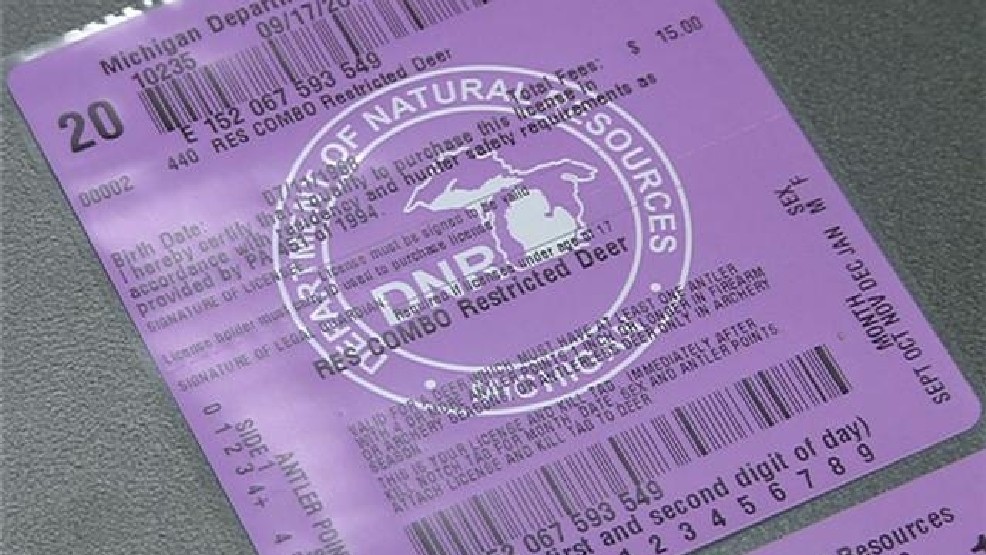
Fishing License
Fishing licenses are legally required regardless of the state you are fishing in. You can purchase either a 24 hour license or a year round
March 31st to the folloing March next year) from any big box retail store to any outdoor stores, and even at small mom and pops bait shops.
It is very important to follow all rules and regulations while fishing to prevent any ticket fees and possible revocation of fishing license.
This will also help your local DNR maintain upkeep to your state parks which will lead to your local wildlife fully thrive in their natural habitats.
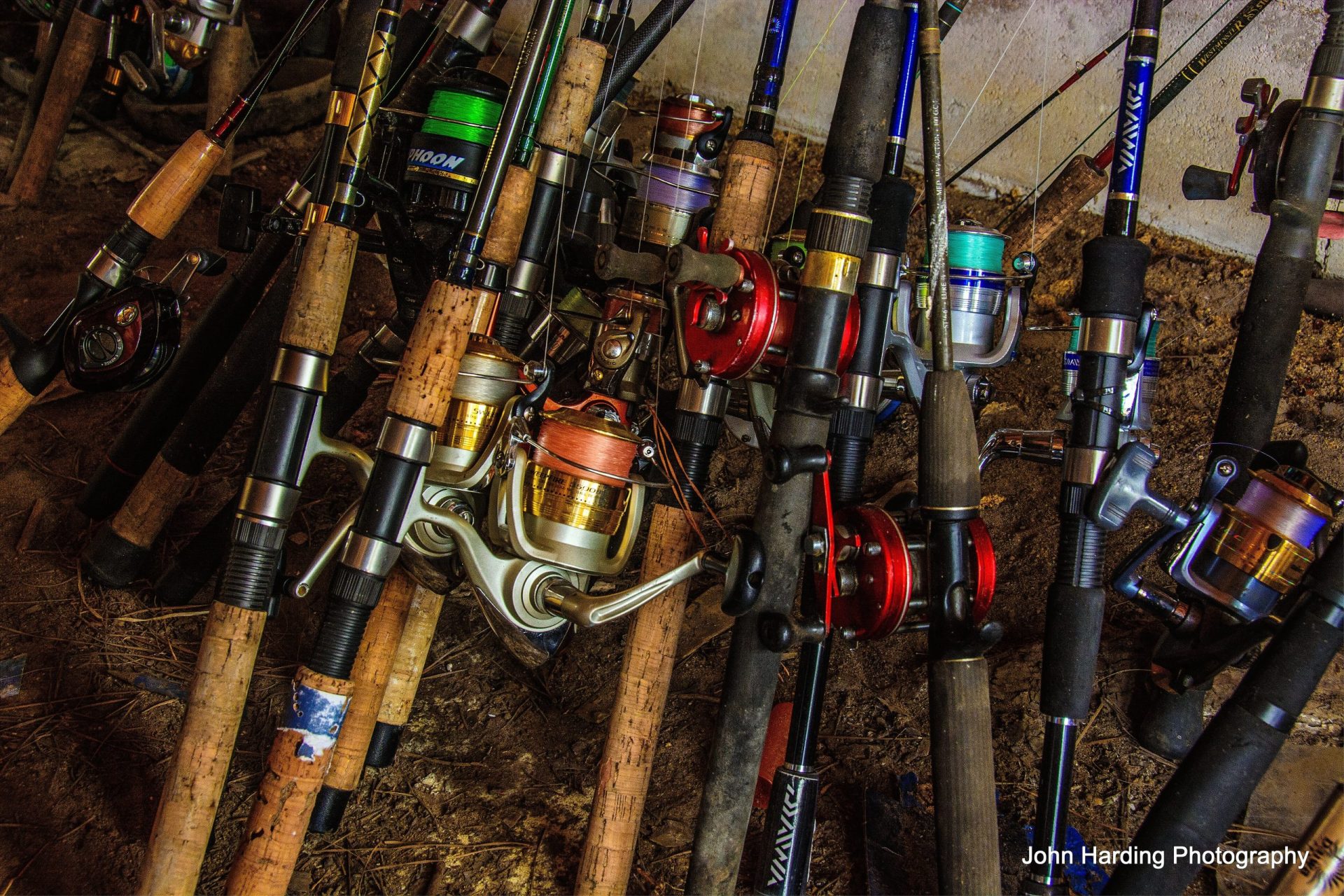
Rod & Reels
There are three types of materials rods can be made out of. First we have fiberglass rods, which is most common out of the three selection. Fibberglass rods have been
have been around for decades they are strong and can endure alot of wear and tear. They're also easy to make which makes them affordable.
Secondly we have graphite rods created in the 1970's, which offer a lighter alternative to fiberglass they are also very popular choice.
And lastly we have composite rods, these rods were designed to be very veratile so its a great choice if you plan on fishing a variety of different waters
,but there is no denying it they can be the most expensive choice out of the three.
Up next we have the different types of reels we can choose from. First up we have spincast, a great introduction fishing reel for children or beginners. The mechanics are very simple
and require little effort. Using a button system all you have to do is press down the buttom and cast your line out.
Another type of fishing reel we have is the spinning reel, which is definitely the most popular among all anglers. spinning reels unlike
casts are an open faced reel which can we used for many different types of lures & baits.
And last but not least we have baitcasters, also known as the conventional reel. Baitcasters are for the more experienced/advanced anglers who want
better control and accuracy.The main difference is the spool rotates as you cast which often requires a full seasons worth or practice before they can be used.
Fishing Line
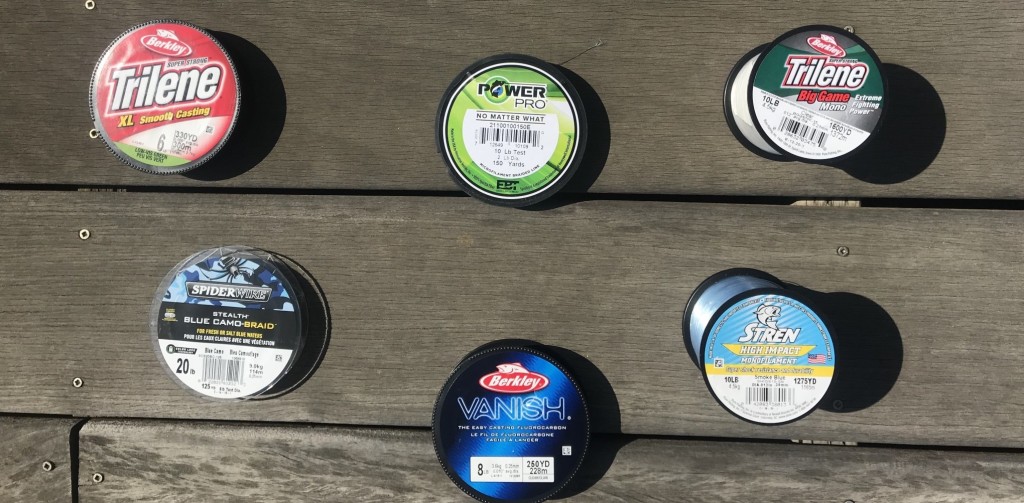
There are three main types of fishing line which are commonly used. First we have is monofilament, most popular type of fishing line and also comes in a large variety of strengths and colors.
Secondly we have braid which is the strongest, but can be on the pricey side. It is also heavier than most fishing lines which means it sinks faster and castst farther.
Lastly there is flurocarbon which is often used as leader material because it's completely invisible underwater.I wouldn't use this line as your main line.
Lures & Baits
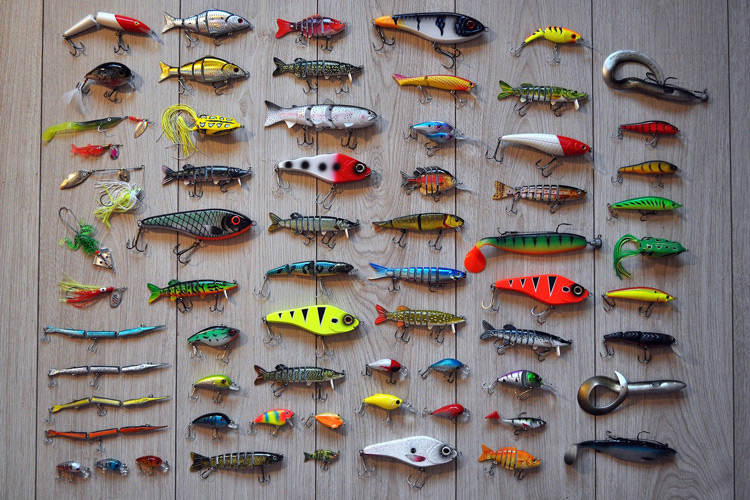
We have finally gottten to my favorite part, lures & baits. there is so many different types I will limit the amount to the most commonly used.
First we have to from live and non-line bait, the most commonlyused live bait in the clasic hook and worm, but you can also use
minnows, shrimp, and even leeches. Now for non-live baits there are categories such crankbaits, soft plastics, and topwater.
A couple examples for each would be square bill crank bait and lipless crankbait. As for soft plastics it pretty much is what it sounds like
these are your fake worms, crawfish, and minnows. And lastly we have topwater which is frogs, whopperploppers, and poppers.
Fishing locations
River & Creeks
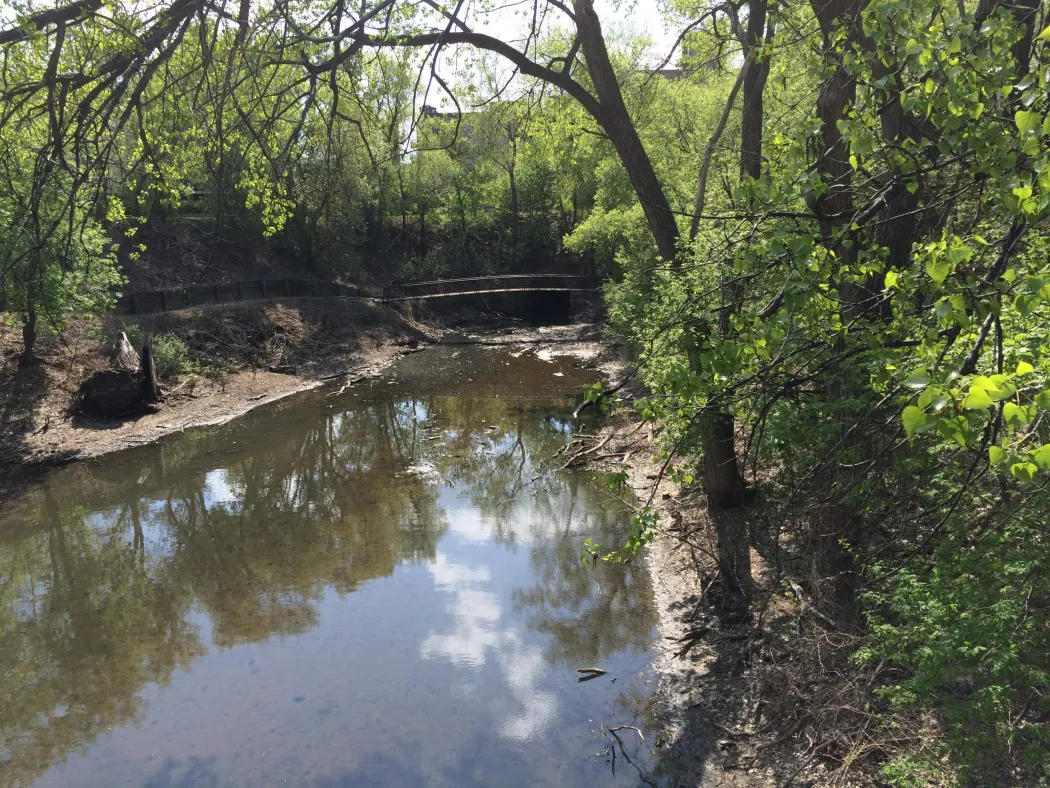
Rivers and creeks are a great starting point for beginner anglers to fish at and dont require too much extra gear. Most people just fish off the shoreline, but depending on the river some people may
use waders to walk through the river at low tides which is a great way to get to hard to reach areas from the shoreline. There are also kayak launches at some river parks that allows easy access to put in and take out kayaks.
Rivers come in all shapes in sizes and the water tides may change due to weather which will change the river currents. This may cause the fish in the area to become unpredictable and thus
make the fishing very difficult for the time being. The most common species you will catch in rivers and creeks are smallmouth bass, rock bass, creek chubs, catfish, carp. While fishing rivers and creeks you will notice
you will notice fish like much faster action lures.
Lake & Ponds
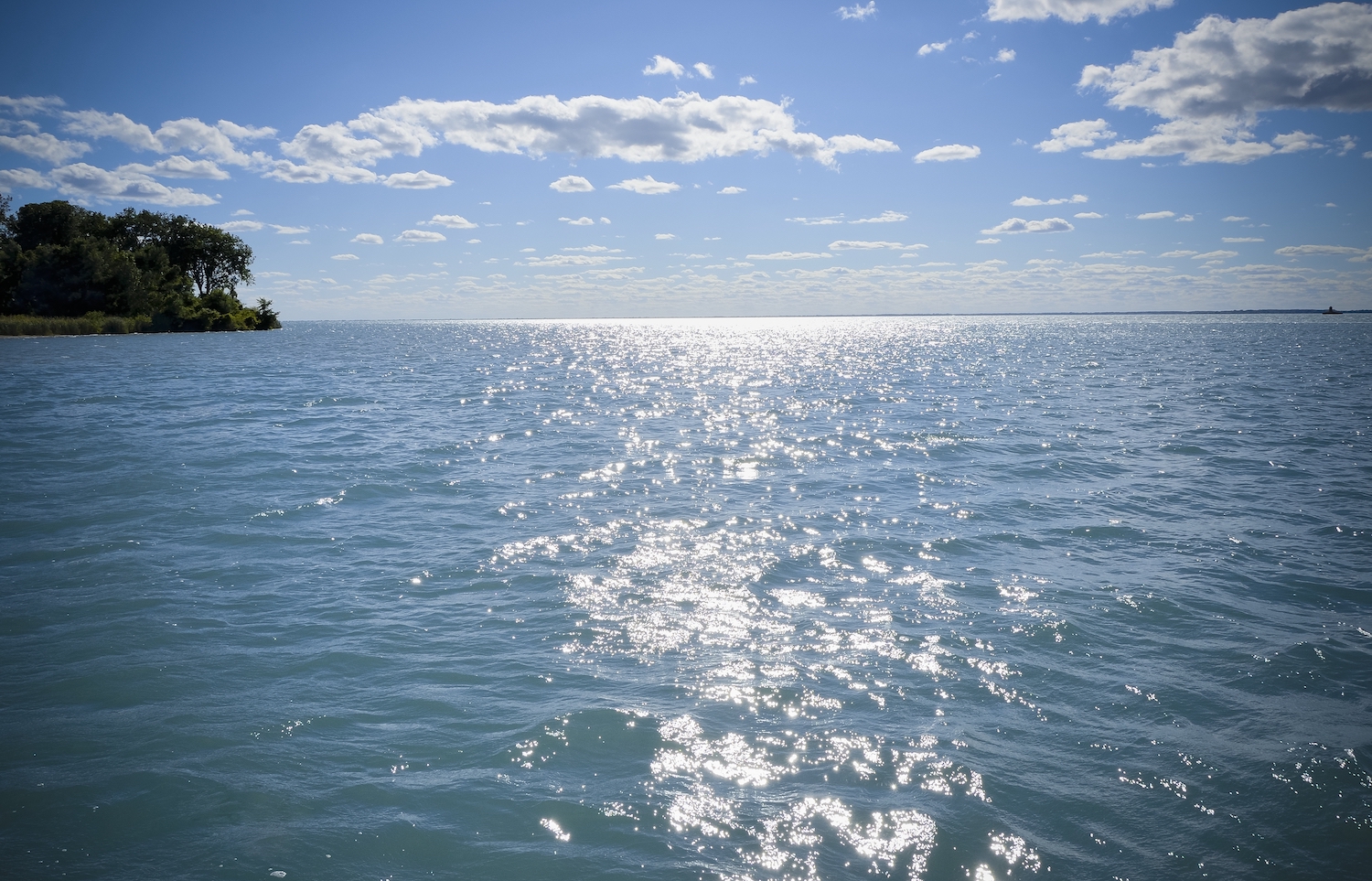
Lakes and ponds are the first thing that comes to mind when someone talks about fishing. Lakes and ponds are a great location to fish, but require alot more extra gear
to take full advantage to what a lake has to offer. Having a boat is a prime example of using a lake to its full potential it allows you to cruise around all areas of the lake.
Even though you can still fish from the shoreline most people will tell you having some sort of watercraft will improve your chances of catching fish and have more fun in doing so.
Ponds are a little less gear required but much like lakes they are open bodies of water, so having any watercraft will help you out in the long run. The most common species you will catch
will be largemouth bass, smallmouth bass, crappie, walleye, pike, and yellow perch. Unlike rivers and creeks, lakes and ponds are a mixture of both fast and slow action lures.
Fishing techniques
Top water
Top water fishing uses lures that are designed to float above the surface of shallow to medium water depths. Lures are casted out on the surface to mimic
the noise and imagery of bugs and or small fish that bass primarily eat. They can be used in a boat or onshore, top water fishing is both challenging and fun.
Most people fish top water will the weather has overcast skies or at dusk using a medium to fast action speed for technique. Some recommended top water lures are poppers, frogs,
and buzzbaits. I wouldn't start of using top water baits because they do require some skill to land fish with them.
Crankbait
Crankbaits are a moving bait made for mainly catching predatory species such but not limited to smallmouth, largemouth, pike, and muskie. It moves as an imitation of a baitfish in its
enviroment. Crankbaits are designed so that the user can control how deep they dive into the water. Often crankbaits have a plastic lip which is how the lure is able to dive underwater.
There are many different shapes and sizes of crankbaits and each differ from each other. The ones with a longer lip are ment to dive much more dramatic to its opposite called the lipless
crankbait which is designed glide through the water with ease. Mostly all crankbaits will be used with a fast to very fast action speed. Crankbaits aren't the best lure to start with but are easily
learned over time and practice.
Dropshots
Dropshots are a completely different choice from the other two. Being that dropshot rigs are designed to fish with a soft plastic lure (worm, minnow, or crawfish) on a hook with a weight of some type below
These typically are used to find all those areas you would normally fish a lure through, but do it very slowly. Most to all dropshot rigs are used off a boat or water craft, if not its very difficult from the shoreline.
The action for this lure it very slow to slow action you basically want let that lure hang there and wait for it be taken by the fish.
Contact
I hope you enjoyed my website on fishing basics 101! If you have any questions, comments, or concerns please dont hesitate to leave your name & email and i will try to get back
to you ASAP.
Good luck and happy fishing!
Elements
Text
This is bold and this is strong. This is italic and this is emphasized.
This is superscript text and this is subscript text.
This is underlined and this is code: for (;;) { ... }. Finally, this is a link.
Heading Level 2
Heading Level 3
Heading Level 4
Heading Level 5
Heading Level 6
Blockquote
Fringilla nisl. Donec accumsan interdum nisi, quis tincidunt felis sagittis eget tempus euismod. Vestibulum ante ipsum primis in faucibus vestibulum. Blandit adipiscing eu felis iaculis volutpat ac adipiscing accumsan faucibus. Vestibulum ante ipsum primis in faucibus lorem ipsum dolor sit amet nullam adipiscing eu felis.
Preformatted
i = 0;

while (!deck.isInOrder()) {
    print 'Iteration ' + i;
    deck.shuffle();
    i++;
}

print 'It took ' + i + ' iterations to sort the deck.';